
One of the most common misconceptions about solar power is that solar panels automatically provide electricity during a power outage.
After all, if the sun is shining and your roof is covered in solar panels, why wouldn't your home continue to have power?
The answer surprises many Tucson homeowners.
In most cases, a standard grid-connected solar system will shut down completely when utility power is lost.
Wait, My Solar Panels Can't Power My Home?
For most residential solar systems, the answer is no.
Modern solar systems are designed to work alongside the utility grid. During normal operation, your solar panels generate electricity that powers your home. Any excess electricity is typically sent back to the utility.
When the sun goes down or your home needs more electricity than your panels are producing, power is drawn from the grid.
This arrangement works well under normal conditions, but it creates an important limitation.
If utility power goes out, your solar system usually goes out with it.
The Safety Feature That Shuts Everything Down
The reason has nothing to do with a lack of sunlight.
It is a safety feature called anti-islanding protection.
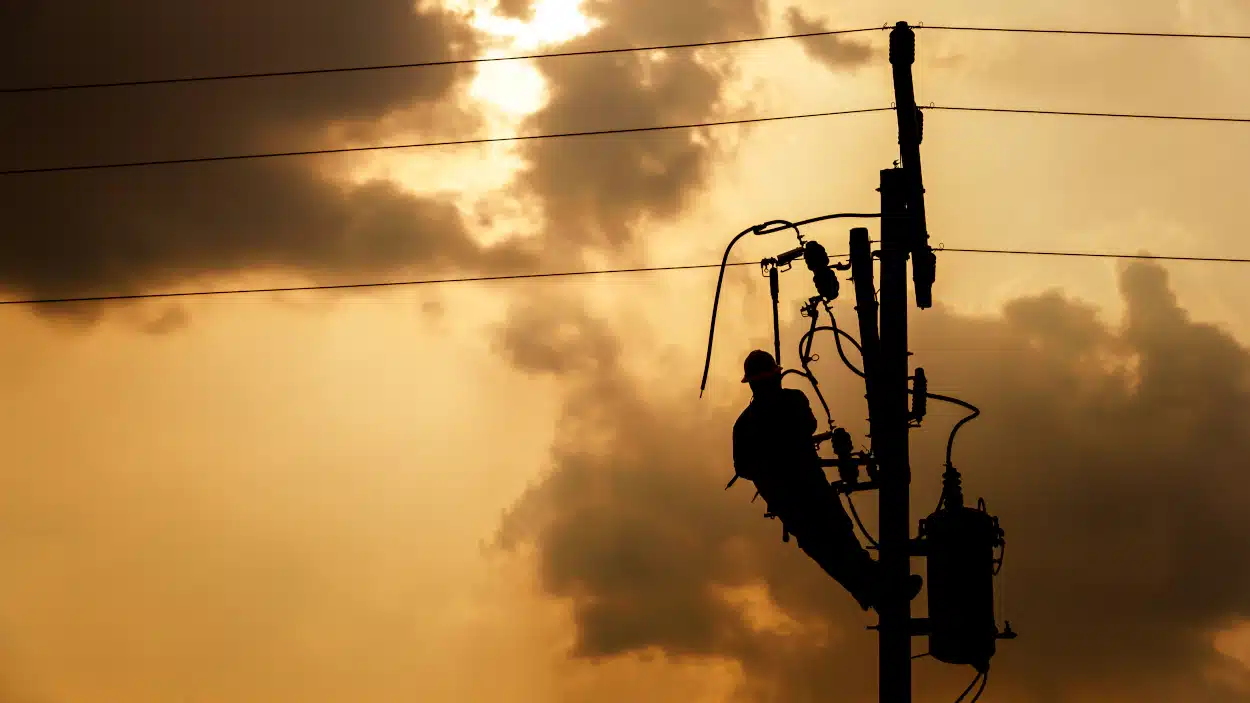
When utility crews are repairing damaged power lines, they need to know those lines are not being energized by thousands of solar systems throughout the city.
If solar systems continued feeding electricity into the grid during an outage, utility workers could be exposed to dangerous voltages while performing repairs.
To prevent this, grid-connected solar systems automatically disconnect when utility power is lost.
The moment the grid goes down, the solar system shuts down as well.
A Common Tucson Scenario
Imagine a typical summer afternoon in Tucson.
Your solar panels are producing plenty of electricity. The sky is clear. The system is operating normally.
Then a monsoon storm rolls through.
Lightning strikes nearby equipment, a transformer fails, or a vehicle crashes into a utility pole.
Suddenly, utility power is lost.
Even though your solar panels are still sitting in full sunlight, your home may be completely without power.
Your refrigerator stops running. Your internet goes down. Your air conditioner shuts off. Lights, outlets, and appliances stop working.
Many homeowners are shocked when they experience this for the first time.
How Battery Backup Changes Everything
A battery backup system allows your home to store electricity for later use.
More importantly, properly designed battery systems can separate your home's electrical system from the utility grid during an outage.
This allows stored energy to continue powering selected circuits or even larger portions of the home, depending on the size of the battery system.
In many cases, solar panels can continue charging the batteries during daylight hours while the outage is occurring.
Instead of losing all access to electricity when the grid goes down, homeowners can continue operating critical systems such as:
- Refrigerators and freezers
- Internet and Wi-Fi equipment
- Lighting
- Medical equipment
- Security systems
- Garage door openers
- Selected outlets and circuits
Some larger battery systems may also support additional household loads.
Battery Storage Is More Affordable Than Ever
For many years, battery backup systems were simply too expensive for most homeowners to seriously consider.
While the technology worked, the cost often made it difficult to justify. Many homeowners chose to rely on the utility grid instead of investing in large battery banks.
That landscape has changed dramatically.
Battery prices have fallen significantly over the past decade as manufacturing has scaled up and supply chains have matured. At the same time, battery technology has continued to improve, providing more storage capacity, longer lifespans, and more sophisticated energy management features than earlier generations.
New battery chemistries are also entering the market. While lithium-based batteries remain the most common option for residential energy storage today, emerging technologies such as sodium-ion batteries show considerable promise. These systems may eventually offer lower costs, improved safety characteristics, and strong performance in hot climates like Southern Arizona.
For many Tucson homeowners, the question is no longer whether battery storage works. The question is whether the benefits of backup power, energy independence, and increased use of their own solar production now justify the investment.
Tucson Homeowners Are Looking Beyond Utility Savings
For years, the primary reason people installed solar was to reduce their electric bills.
Today, many homeowners are also focused on resilience.
Summer temperatures routinely exceed 100 degrees in Southern Arizona. Monsoon storms can damage electrical equipment. Vehicle accidents occasionally take down utility poles. Equipment failures happen.
When these events occur, solar panels alone usually won't keep your home powered.
Battery storage provides an additional layer of protection that many homeowners find increasingly valuable.
Do You Need a Battery Backup System?
Not every home has the same electrical needs.
Some homeowners only want to keep a few critical circuits running during an outage. Others want enough battery capacity to operate large portions of the home for several hours or longer.
The right solution depends on your home's electrical usage, your existing solar system, and your backup power goals.
If you already have solar and are wondering whether battery storage makes sense for your home, JCP Electric can evaluate your electrical system and discuss battery backup options designed around your needs. We also provide solar electrical repair and service for homeowners who need help troubleshooting, repairing, or upgrading an existing solar system.
Solar panels are excellent at producing electricity.
A battery backup system helps ensure you can still use that electricity when you need it most.